

“People sign up, then disappear.”
The Ghosted method
Close the Expectation Gap.
Every new user arrives with a picture of what they'll get. We find where your product drifts from that picture, and redesign those moments so users stay and pay.
The problem
Does this sound familiar?
“They use the free product, but rarely upgrade.”
“Our website promises one thing. The product starts somewhere else.”
Teams usually treat these as three problems. They're one: the Expectation Gap.
The Expectation Gap
Three moments decide whether users stay.
Every new user arrives with a picture of what they'll get. The Expectation Gap is the distance between that picture and what the product delivers. It opens at three moments, and each one has its own question.
Before signup
Picture
“What will I get?”
They leave when they can't picture the result.
- Formationthe promise users form before signup
- Handoffthe jump from the website into the product
First session
Experience
“Can I get there?”
They leave when they can't reach the result on their own.
- Orientationworking out what to do first
- Effortthe work before anything useful happens
- Outcomethe first useful result
After the result
Judge
“Was it worth it?”
They leave when the result isn't worth coming back for.
- Evaluationwhat they got against what they expected
- Attributionwhether the product made the difference
- Resolutionreturn, pay or leave
Free field guide
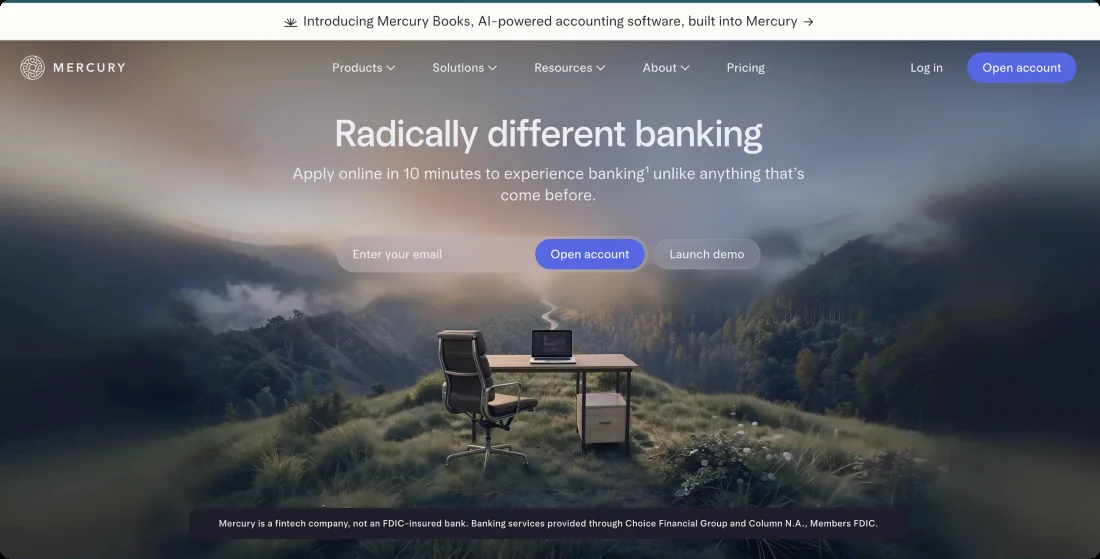
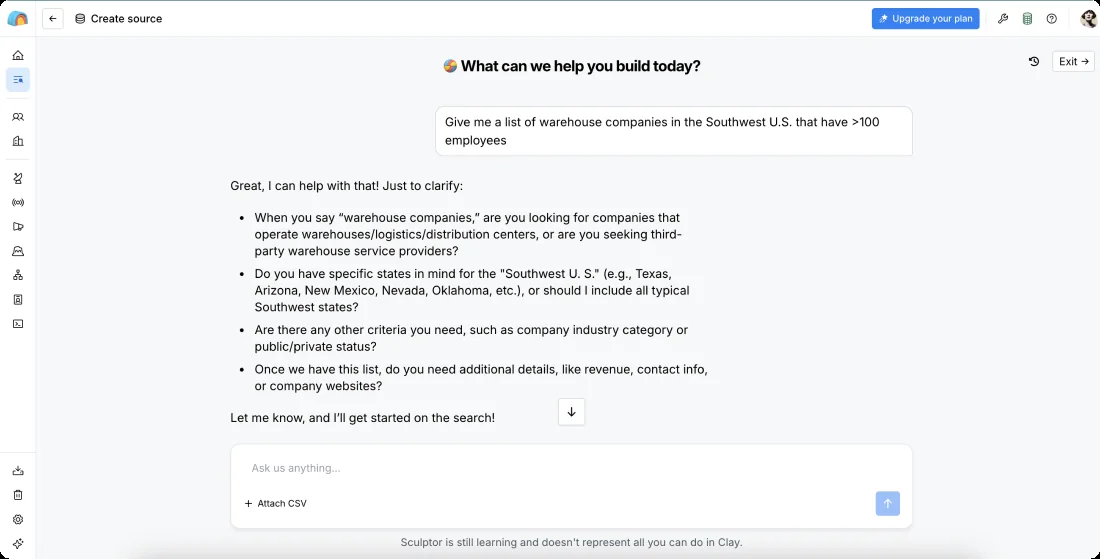
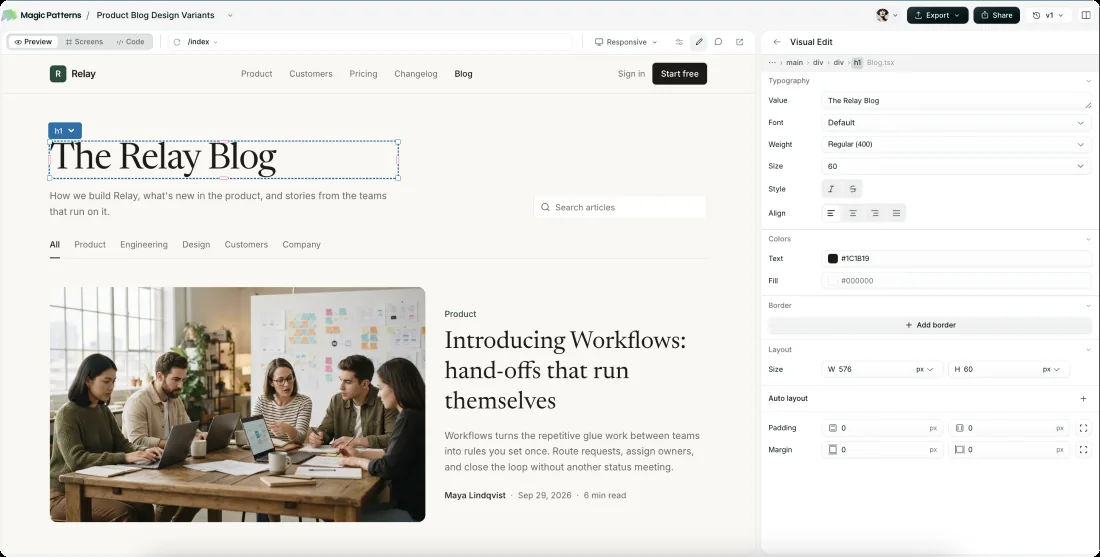
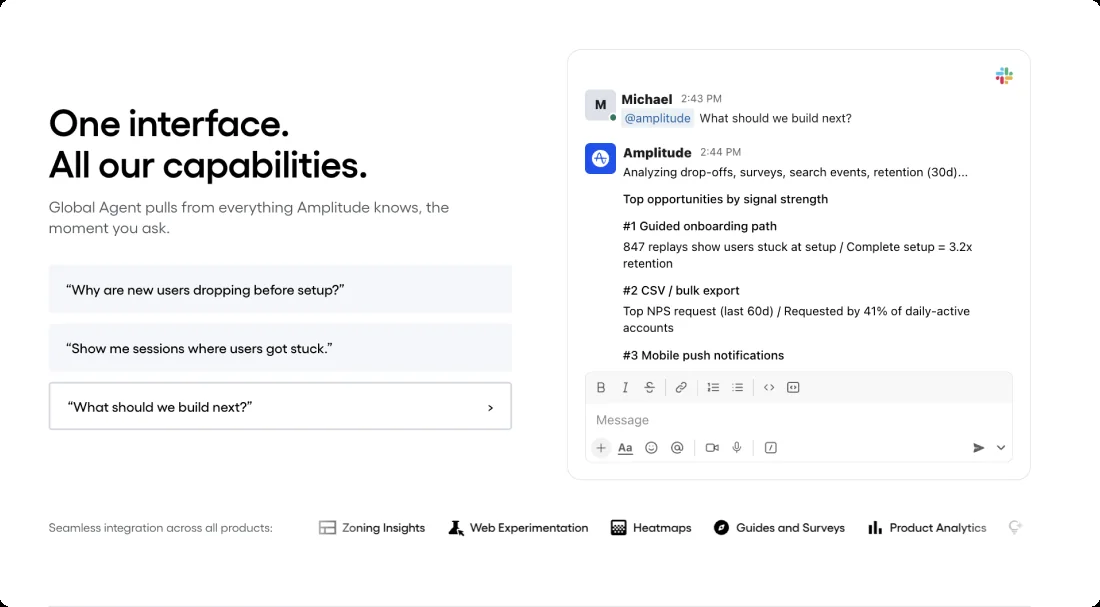 +5660 real product screenshots
from Mercury, Clay, Granola and more
The Expectation Gap Guide
Real examples of how products shape expectations, introduce value and help users recognize what they've achieved.
+5660 real product screenshotsfrom Mercury, Clay, Granola and more
PictureExperienceJudge
Why it's hard
Why teams struggle to close it alone.
You're too close to your product
You know what it does, so it's hard to see it as someone who doesn't.
Data shows where, not why
Analytics show the drop-off. They don't show the expectation behind it.
Nobody owns the whole journey
Marketing owns the promise, product owns onboarding, growth owns the paywall.
Best practices are generic
Tours and checklists copied from other products don't match what your users expect.
Our approach
How we close it differently.
How it's usually done
The usual fix
How we do it
The Ghosted way
Ask a colleague or AI for generic feedback on the onboarding
An outside expert who knows where to look spots the common gaps, then verifies them against your data, user journey and feedback from potential users
Look at one number, like conversion to paid
Map the whole funnel, from first visit to upgrade, and break it down by segment to see where you can win
Fix the screen where users drop off
Trace each drop-off back to what users expected when they arrived
Rely on gut feeling about why users leave
Apply behavioral science to explain why users act the way they do
Copy playbooks built for bigger companies
Study how leading products solve the same moment, and scale it down to what your team can build
Hand over a document of ideas
Deliver a prototype your team can click through and build
Never check in with you again
Follow up after the Sprint to help you launch the changes, measure them and iterate
The process
How the work runs.
We work through the three moments in four steps, in a 2-week Sprint or an ongoing partnership.
- 01Research
See it as a new user
We go through your website and onboarding as a first-time user, read your data and talk to customers and prospects.
You get: a screen-by-screen map - 02Diagnose
Find where the gap opens
We check all eight moments, from the first promise to the upgrade, and separate evidence from hypothesis.
You get: the problems, ranked - 03Design
Redesign what matters
Clickable prototypes of the critical moments, so your team can try them before building.
You get: a clickable prototype - 04Test
Measure and learn
Release in small steps, measure each change and decide what comes next.
You get: results and next steps
Results
What closing the gap looks like.
Client-reported results from past projects. Pick a case for the details.
Hi, I'm Anastasia.
PLG expert and behavioral science enthusiast. For 10+ years I've worked with B2B and B2C businesses to improve user experience and build profitable products that don't get ghosted.
Previously at ProductLed. Now I run Ghosted, where I find out why new users don't stick.

Want to work together?
Start with a focused two-week Sprint, or keep going with an ongoing partnership.
2 weeks · fixed scope
Sprint
Turn first session into lasting value.Bridge the Expectation Gap by aligning your positioning, first value, and upgrade experience into one coherent journey.
- Analysis of your onboarding journey and its main drop-off points
- A prototype of how to change 3–5 critical moments, ready for your team to implement
- A plan for the next steps that shapes your next months of PLG work
Monthly · ongoing
Partnership
Better customer experiences take ongoing work.We research, design, implement, evaluate and learn together, working alongside your team.
- A Head of PLG who does the work, not only directs it
- Flexible intensity: we agree on an engagement that fits your needs
- Embedded in your team, 3 months minimum recommended










Let's look at your product together.
30 minutes about your product. We'll decide together if a Sprint or a partnership fits.